Sarasota Condo Financing Basics for Confident Buyers
January 15, 2026
January 15, 2026
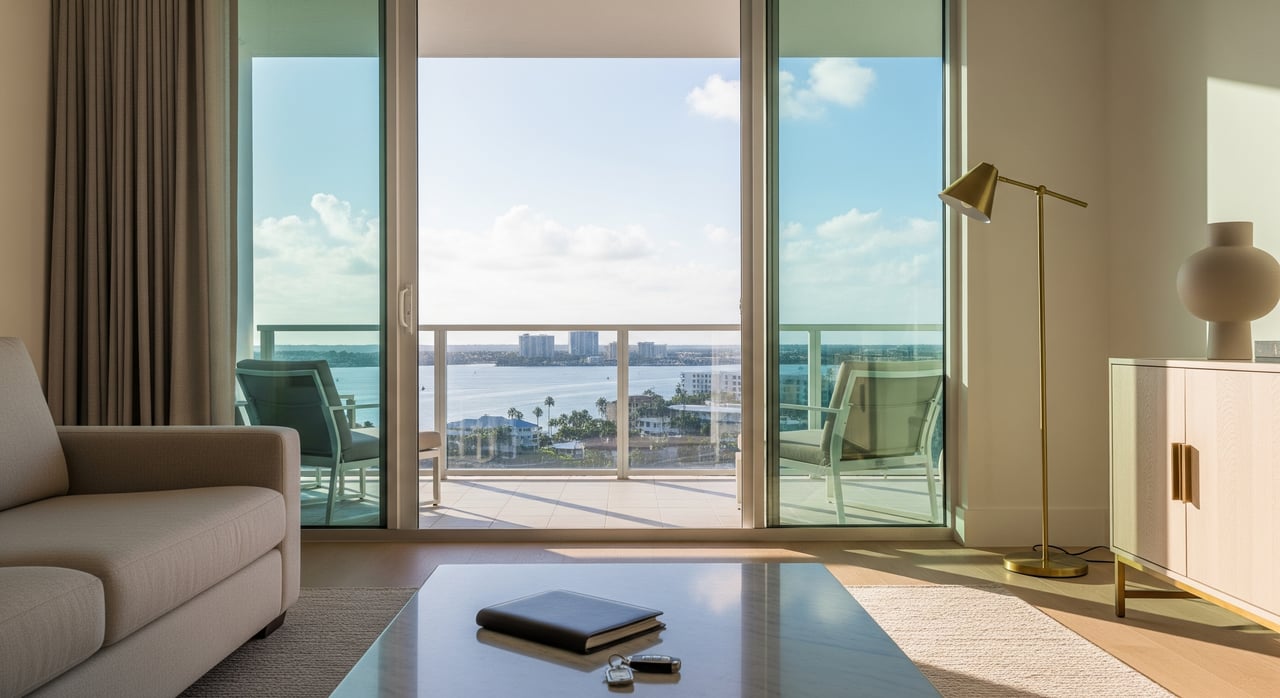
Buying a Sarasota condo should feel exciting, not confusing. If you are eyeing a sleek tower downtown or a waterfront building on the islands, you will discover that condo financing works differently than a single-family home. Lenders look at the building as much as your personal finances, and coastal factors play a big role in approval. In this guide, you will learn how warrantability works, what documents lenders require, how insurance and assessments affect loans, and the steps to move from pre-approval to a confident closing. Let’s dive in.
Condo towers in Downtown Sarasota and on nearby barrier islands often have extensive shared elements like garages, elevators, roofs, seawalls, and amenity decks. The owners’ association maintains these areas and carries a master insurance policy. Lenders review that policy, the association’s budget, and the health of the building before they approve a loan.
Coastal risk matters. Many buildings sit in FEMA-designated flood zones and face windstorm exposure. Lenders typically require flood and wind coverage that meets program standards. Older towers may also be working through repairs or improvements, which can lead to special assessments that affect financing.
Seasonal occupancy is common here. If a building has a high share of rental or seasonal units, the owner-occupancy percentage may be lower. That can impact eligibility for certain mortgage programs, especially conventional loans.
Understanding project eligibility is step one for a condo purchase.
Common reasons a building becomes non-warrantable include a low owner-occupancy rate, high rental or short-term rental activity, a single owner holding many units, significant commercial space, reserve or budget weaknesses, delinquent HOA dues, recent or ongoing litigation, or missing documentation. Even warrantable projects can become temporarily ineligible if a special assessment or litigation arises. In Sarasota, older or rental-heavy coastal buildings are more likely to need extra lender scrutiny, so confirm status early.
Financing a condo involves two reviews: you as a borrower and the condo project itself. Expect your lender to request association-level documents, often through a condo questionnaire.
This standardized form captures facts about ownership mix, reserves, insurance, litigation, and other items that drive eligibility. Associations or their management companies complete it, often for a fee. Turnaround can range from a few days to a couple of weeks depending on responsiveness.
After review, lenders typically issue one of three decisions: approved/warrantable, conditionally approved with extra requirements, or declined under that program. If declined, you may need a different lender or loan type, or you may choose to pay cash.
Coastal insurance structures can surprise first-time condo buyers. Associations carry a master policy, and owners commonly carry their own HO-6 policy. Flood coverage may be separate from the master policy. Lenders look closely at whether the building’s coverage meets program standards and whether deductibles are unusually large.
Flood zone status matters for mortgages. Loans on properties in Special Flood Hazard Areas require flood insurance under federal rules. In some cases, lenders may ask for an elevation certificate. These items can affect your approval timeline and your monthly costs if premiums are escrowed.
Special assessments are another sensitivity. If the association is funding major repairs like façade work, roofs, elevators, parking decks, or seawalls, lenders will evaluate whether the budget supports the plan and how much liability transfers to you at closing. Litigation also matters, especially when it affects structural or financial soundness.
Not all mortgages treat condos the same way. Here is how common options typically underwrite Sarasota condos.
Conventional financing is common if the building meets Fannie Mae or Freddie Mac guidelines. Lenders focus on owner-occupancy, commercial space, reserve funding, single-entity ownership, delinquency rates, litigation, and insurance. If the project does not meet these standards, the lender may decline the loan under conventional programs.
FHA and VA have their own project approval processes. If a building is on the agency-approved list, those loans can be viable. Approval standards can be strict, and many older or mixed-use coastal projects are not approved. Some limited case-by-case options exist, but in general, non-approved projects restrict FHA/VA eligibility.
For high-value units that exceed conforming limits or for buildings that do not qualify under conventional rules, jumbo and portfolio loans are common. Local banks and credit unions that keep loans in-house can be more flexible about rental percentages, commercial space, or reserves. Expect larger down payments, strong credit standards, and the possibility of extra escrows for assessments.
Your intended use affects your loan. Second-home loans typically allow seasonal occupancy with certain conditions, while investment property loans have stricter requirements and higher costs. In Sarasota’s vacation-oriented market, short-term rental plans can push your loan squarely into investor territory. Clarify your intended use with your lender up front so you pick the right program and avoid surprises.
Cash purchases move fast and avoid project eligibility hurdles. You are not subject to the building review a lender would require, which can reduce risk of delays. Cash can also strengthen your negotiating position in competitive buildings.
Financing preserves liquidity and may offer attractive long-term rates, but it introduces a second approval: the condo project. If the questionnaire or association documents reveal issues, your loan could face conditions or denial. When you compare cash versus financing, focus on the building’s likely eligibility and your comfort with timelines and contingencies.
Follow this roadmap to make your Sarasota condo purchase smoother.
Get pre-approval with a condo-experienced lender. Ask whether your loan requires a warrantable project and what alternatives exist if it is not.
Narrow buildings early. If you love a particular tower, ask your agent to help gather the declaration, bylaws, budget, reserves detail, recent minutes, insurance certificates, and a questionnaire sample. Early signals can save you time.
Confirm flood status and insurance. Know the flood zone, master policy coverage, wind/hurricane deductibles, and whether you will need an elevation certificate. This affects both approval and cost.
Ask the HOA the right questions. Find out owner-occupancy rates, rental rules, current reserve balance, any reserve study, recent or planned assessments, and whether there is any ongoing litigation.
Plan your offer timeline. Build in time for the association to complete the questionnaire and for your lender’s project review. This step can take days to weeks.
Align contingencies. Match your mortgage and HOA document timelines to your deposit and inspection periods so you have protection if new information emerges.
Condo questionnaires often land on the critical path. Order them as soon as you are under contract or when your lender gives the green light. The association or management fee and turnaround time vary, so set expectations up front.
Budget several extra days for underwriting if the lender flags reserves, insurance, or litigation for deeper review. If the lender issues conditions related to assessments or deductibles, allow time to satisfy those requests. Align your financing contingency with these milestones so you can proceed confidently.
When you model your monthly payment, include HOA dues, HO-6, flood insurance if required, and possible escrow for higher wind or hurricane coverage. If a special assessment is in place, confirm how it will be paid, how much you owe at closing, and whether the lender requires reserves or proof of payment. Coastal insurance and assessments can move debt-to-income ratios, so include them early in your calculations.
A lender who regularly finances Sarasota condos can quickly spot warrantability issues and propose alternatives. Your agent’s role is to coordinate documents, interpret practical risks, and keep timelines on track.
If you value high-touch guidance for a higher-value purchase, partner with a local specialist who blends concierge service with strong financial acumen. With 25-plus years in financial services and a focus on waterfront condos and penthouses, you get advice that helps you weigh cash versus financing, prepare documents early, and avoid surprises. That combination is especially useful in downtown and barrier-island towers, where project reviews can make or break timelines.
You deserve a smooth, confident path to your Sarasota condo. Get pre-approved, gather the right building documents, and align your contingencies with the condo review. If you want a partner who understands both the lifestyle and the numbers, connect with Christa Spalding for concierge guidance from first showing to successful close.
Stay up to date on the latest real estate trends.
October 15, 2026
October 8, 2026
October 1, 2026
September 24, 2026
September 17, 2026
September 10, 2026
September 3, 2026
August 27, 2026
August 20, 2026
With a passion for service, Christa is ready to help with your home buying and selling needs. As a proud member of Coldwell Banker Realty, Christa carries the values of hard work, integrity, and outstanding client service into everything she does.