Your Siesta Key Lifestyle Guide to Everyday Island Living
February 5, 2026
February 5, 2026
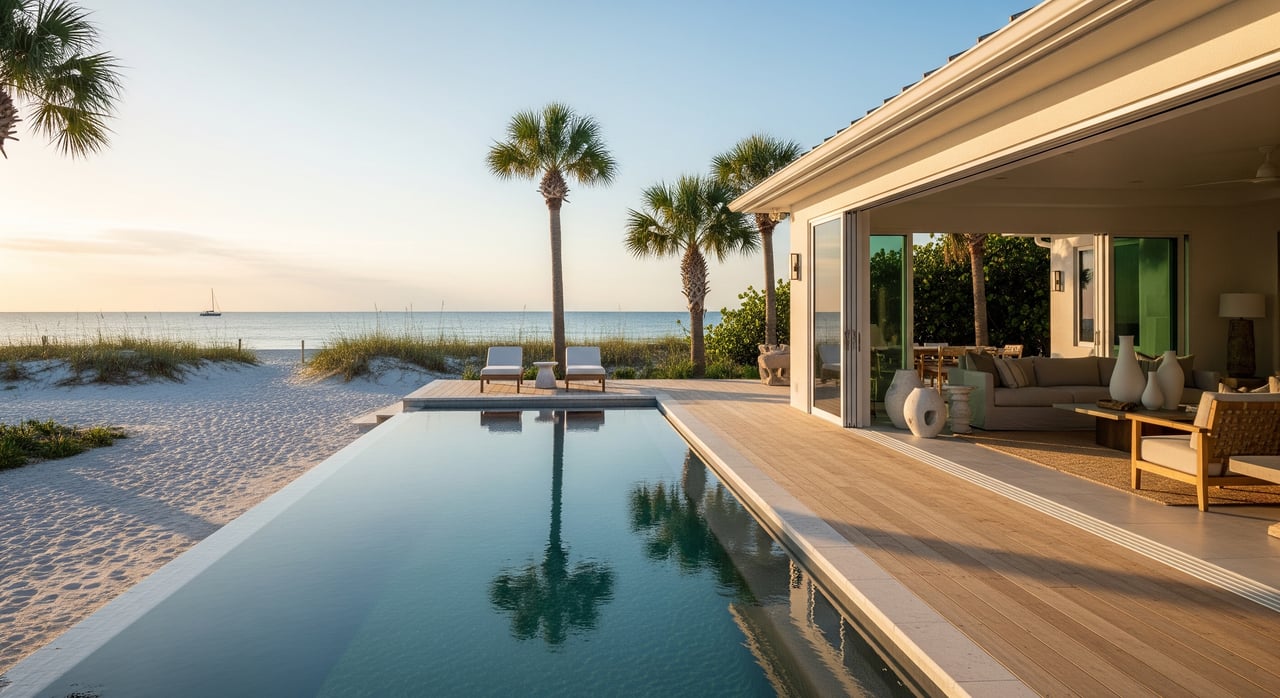
If you picture powder-soft sand between your toes and sunsets that stop you in your tracks, you’re already halfway to life on Siesta Key. You might also wonder about crowds, daily routines, and what it really costs to own here. In this guide, you’ll learn how the island feels across seasons, what amenities are on hand, where different home types sit, and the key practical steps before you buy. Let’s dive in.
Early mornings are peaceful. You see walkers, joggers, and lots of birds on wide stretches of fine quartz sand. Many residents use this time for paddleboarding, fishing, or a quick swim before the day gets busy. It is the calmest window to enjoy the beach.
By midday, the beach livens up, especially in winter high season. Cafés and casual spots in the village handle a steady lunch crowd. Some residents commute off-island to Sarasota, while others work remotely from home. If you plan meetings, late morning or early afternoon can be efficient.
Sunset-watching is a daily ritual on west-facing beaches. You can expect a friendly, small-town vibe around Siesta Key Village in the evenings. Restaurants, live music, and casual nightlife draw both locals and visitors. The atmosphere is lively but relaxed.
Weekends and holidays bring more traffic, busier public beach parking, and a surge of visitors. On summer weekdays, you get quieter sands but hotter, more humid weather. If you prefer a slower pace, aim for early mornings or weekday visits even in high season. Timing your errands and beach time helps you avoid the busiest windows.
Siesta Key has a seasonal rhythm. Winter through early spring is high season when part-time residents and vacationers arrive. Dining, events, and services operate at full scale, and the island’s social calendar is active. Summer is calmer, though hot and humid, and some businesses reduce hours.
Siesta Public Beach often appears on national best-beaches lists, which attracts day visitors. Seasonal arts and music events in the wider Sarasota area can also increase short-term demand and traffic. Planning around these peaks keeps your days easy and enjoyable.
This is the island’s best-known beach with lifeguards, picnic areas, and concessions. The sand here is famously fine and comfortable underfoot. Parking is available but fills early in peak times. If you live nearby, walking or biking becomes your best friend.
Crescent Beach offers a slightly quieter feel and easy Gulf access. Turtle Beach sits closer to residential pockets that feel more low-key. Point of Rocks features rocky tidal pools where you can explore shallows and spot marine life. Each area has a distinct character that shapes your daily routine.
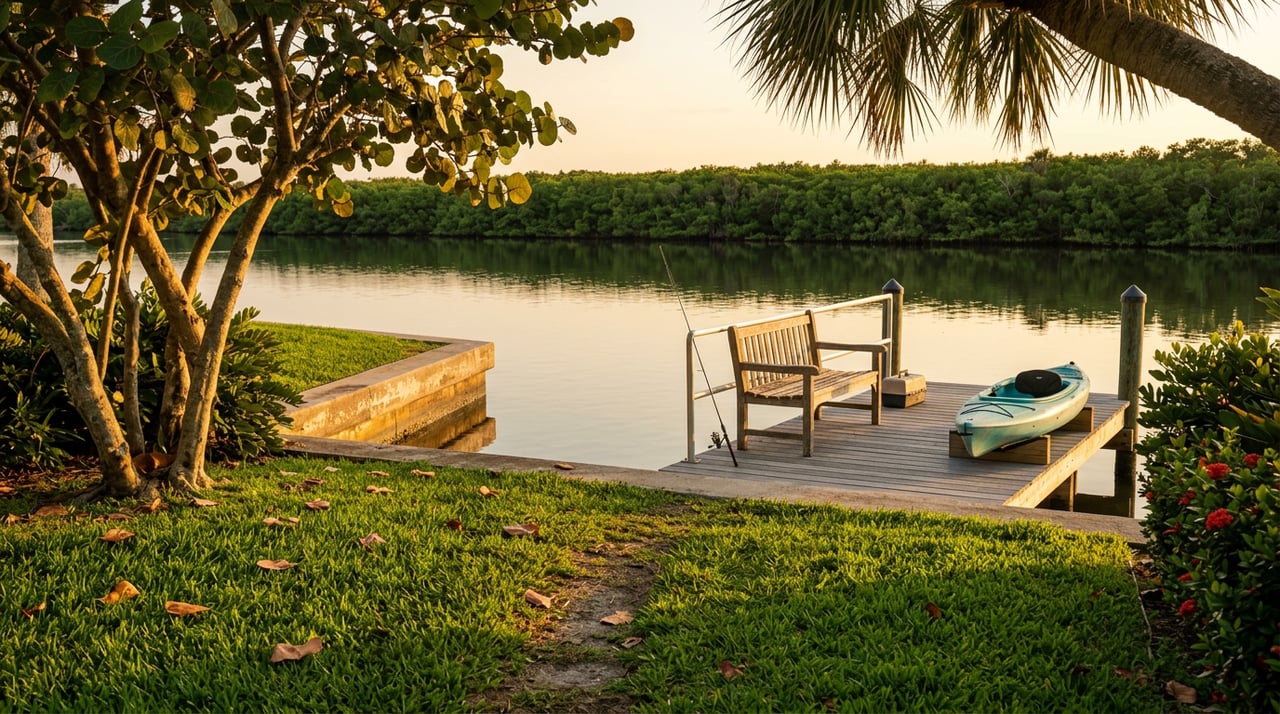
You can boat the Intracoastal Waterway, fish local channels, or jet-ski and paddleboard along calm stretches. Public boat ramps and marinas support weekend outings and quick after-work cruises. Waterfront homeowners often prioritize dockage and water depth. The island lifestyle keeps you outdoors most of the year.
Siesta Key Village anchors the island’s social scene with restaurants, bars, boutiques, galleries, and services. It is compact and walkable, with a casual resort-town ambiance. You will find plenty of options for breakfast after a beach walk and dinner after sunset. Nightlife is easygoing and centered on conversation and live music.
On-island grocery and market options are limited, so many residents shop on the mainland. Primary care and urgent care are also located in nearby Sarasota. Major hospitals and specialists are a short drive away. Plan your appointments and shopping around peak bridge times for a smoother experience.
School-age children typically attend Sarasota County public schools on the mainland. Families should verify current assignments with Sarasota County Schools. If school pick-ups and activities are part of your routine, consider commute time to and from the bridges. This planning helps balance the island lifestyle with daily schedules.
Driving is the main way to get around, and two bridges connect you to the mainland. Traffic can back up during high season, weekends, and special events. Public transit options exist but are limited. Many residents use bicycles for local trips and to avoid parking headaches in busy periods.
Sarasota–Bradenton International Airport is roughly a 15 to 25 minute drive, depending on traffic. Downtown Sarasota is also a short trip off-island, often within 15 to 30 minutes. Allow extra time at typical peak hours. With planning, appointments and flights remain very manageable.
Direct Gulf-front and near-beach homes are the island’s most coveted addresses. Many have been renovated or rebuilt with coastal resilience in mind. Expect premium pricing for beach proximity and views. These properties deliver the classic toes-in-the-sand lifestyle.
Condos range from older mid-rise buildings to newer luxury developments with amenities. Some properties allow vacation rentals and attract second-home buyers. Buildings vary in management style, fee structures, and on-site offerings. Ask about rental policies, maintenance plans, and insurance coverage for a full picture.
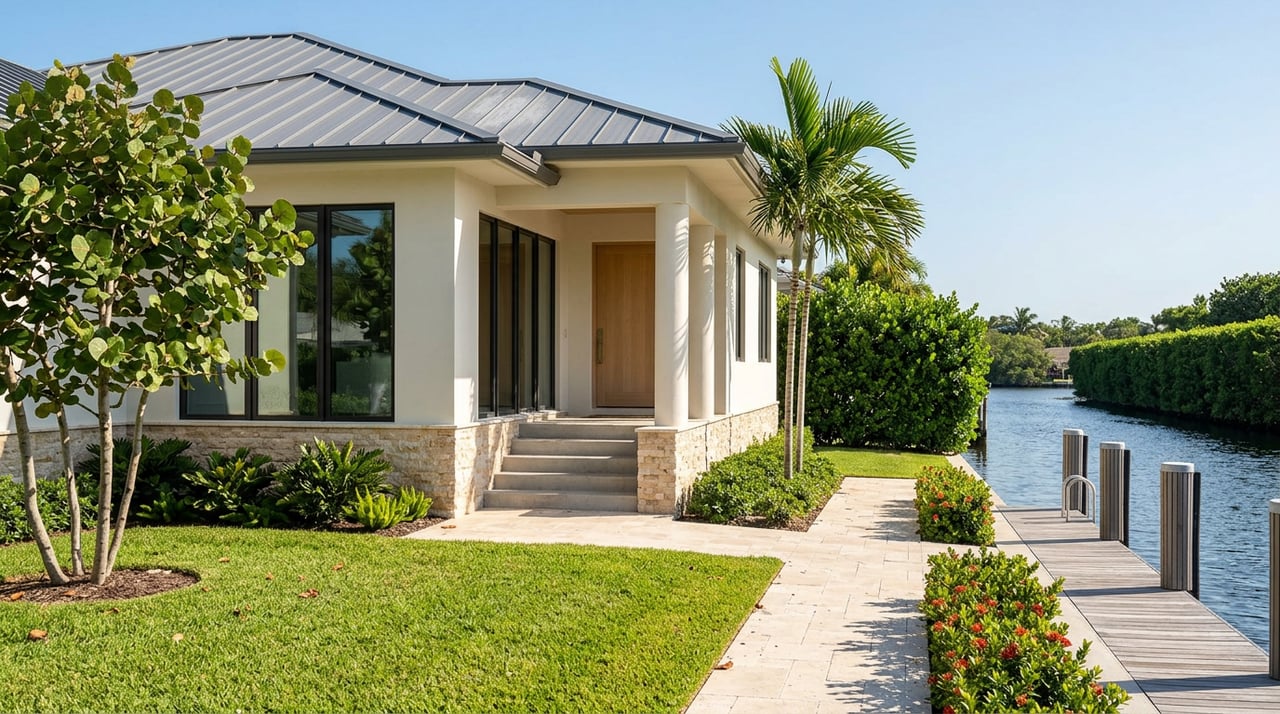
Bayfront homes offer dockage, boating access, and quieter channels. Interior island streets feature bungalow and ranch-style homes on smaller lots. These properties are often more affordable than direct beachfront yet still command an island premium. Landscaping, shade, and privacy vary block by block.
Coastal locations like Siesta Key carry a meaningful premium over inland areas. Condominiums can span from more affordable older units in the lower hundreds of thousands to high-end beachfront residences well into seven figures. Single-family homes near the beach or on the bay often trade in the upper six and seven figures, while interior homes are lower but still above many mainland comparables. Limited developable land and strong seasonal demand shape the market.
You see a mix of year-round residents, second-home owners, and short-term rental properties. Short-term rentals are allowed in many areas but are regulated by Sarasota County and often by HOA rules. This mix creates opportunities for rental income, along with rules you need to understand before purchasing. Factor rental policies into your location and building choice.
Coastal ownership includes recurring costs tied to location. Flood risk and flood insurance are key considerations, and many properties lie in coastal flood zones. Lenders typically require flood policies for homes in special flood hazard areas, and many owners carry coverage regardless due to coastal exposure. Wind and hurricane insurance are also common, and costs vary with elevation, construction, and mitigation features.
Property taxes follow Sarasota County rates. Florida has no state income tax, which can help with overall planning. If you use the home as your primary residence, homestead exemptions may apply. Condo and HOA dues can be significant and often include insurance, maintenance, and amenities.
Siesta Key has a subtropical climate with mild, humid winters and hot summers. Hurricane season runs June through November, so you should plan for evacuation routes, shutters or impact glass, and storm readiness. Coastal erosion and sea-level rise are longer-term factors that can affect exposure and insurance. Stay current on county coastal management updates and FEMA flood map changes.
Parking can be tight in peak periods, especially near public beach access. Older neighborhoods may have limited off-street parking. Some older properties still rely on septic systems, which require careful inspection and planning. Permitting for renovations and new construction follows Florida Building Code for wind and flood, and coastal projects like docks and seawalls involve added review.
This island rewards people who love the beach and the outdoors. Retirees and near-retirees enjoy the relaxed pace and easy access to medical and cultural amenities in Sarasota. Second-home owners and investors value rental flexibility where allowed, along with steady visitor demand. Boaters and anglers benefit from dockage and the Intracoastal at their doorstep.
If you need a daily commute into a larger employment center, bridge congestion can be frustrating. Families who need multiple on-island school choices will likely find mainland options more practical. If you are sensitive to tourist activity, understand that winter months bring crowds near the village and public beaches. The tradeoff is world-class sand, water access, and a welcoming coastal culture.
You can live at the beach, watch the sunset every night, and still be minutes from Sarasota’s dining and arts. The key is choosing the right location, home type, and ownership setup for your goals. If you want a clear, concierge path to the best of the island, connect with Christa Spalding. She brings boutique, high-touch guidance paired with global marketing reach to help you buy with confidence.
Stay up to date on the latest real estate trends.
August 20, 2026
August 13, 2026
August 6, 2026
August 6, 2026
July 23, 2026
July 16, 2026
July 9, 2026
July 2, 2026
June 25, 2026
With a passion for service, Christa is ready to help with your home buying and selling needs. As a proud member of Coldwell Banker Realty, Christa carries the values of hard work, integrity, and outstanding client service into everything she does.